




Why Do You Need a Lawyer for Your Child’s Dog Bite Bone Infection Case?
Legally Reviewed and Edited by: Terry L. Cochran
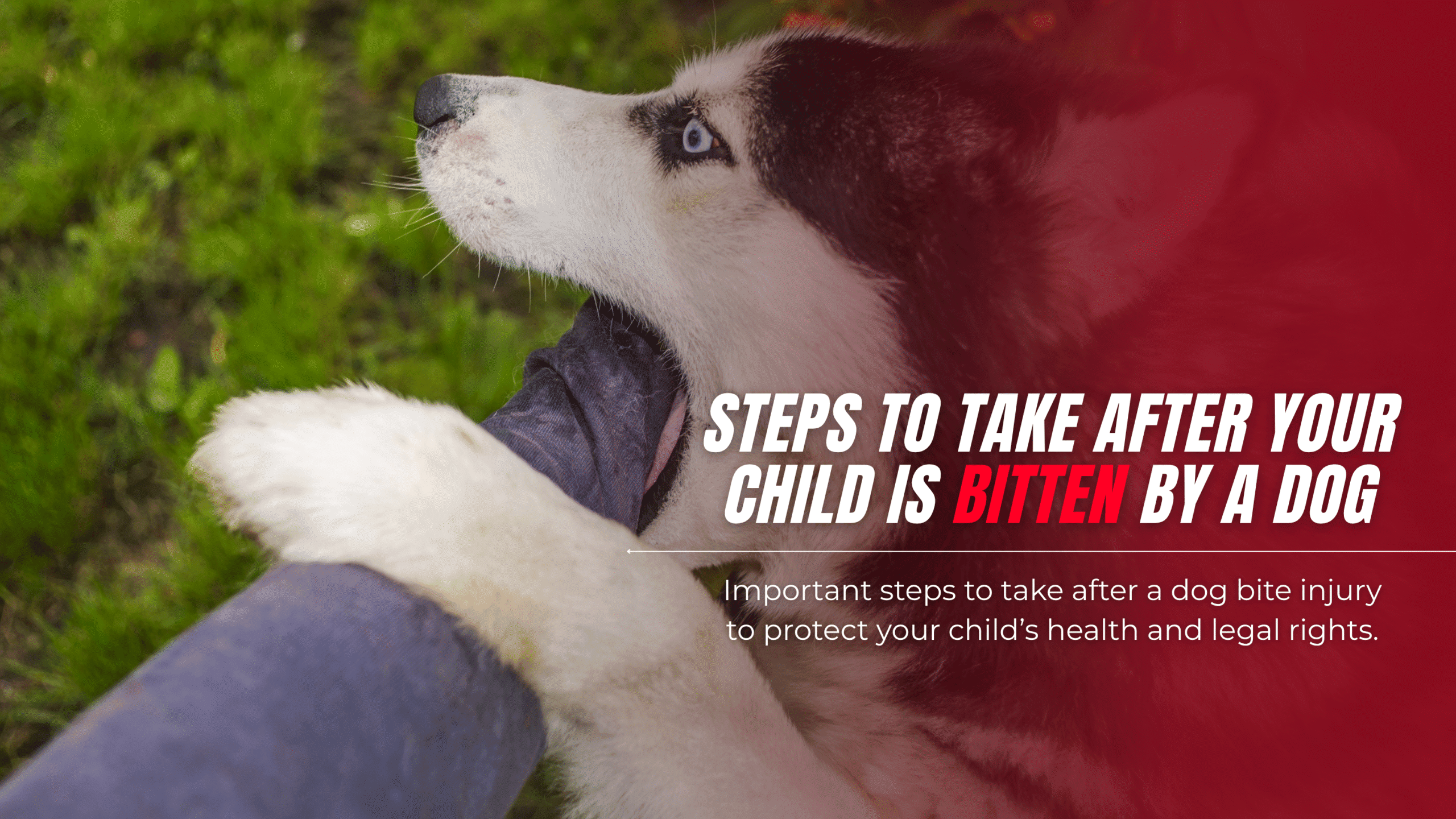
51% of dog bite victims are children. When bitten, children are more likely to develop severe injuries and complications compared to adults. Children between one year and nine years are also at a greater risk of dying from dog bite infections. At the same time, these children might also develop psychological symptoms such as PTSD in the aftermath of an animal attack. These unique circumstances necessitate the need for a child dog bite lawyer to help you recover adequate compensation to cover the associated medical bills and damages from the dog bite.
Dog Bite Bone Infections in Children
Dog bite infections can cause serious injuries to children. Usually, the younger the child is, the higher the risk of severe injury or death. Most dog-bite-related fatalities in children occur in infants under a year old. Children younger than four years are more likely to suffer head and neck injuries from dog bites. These head and neck injuries may include fractures to the skull and facial bones.
Other common injuries when a dog bites children include:
- Scars and disfigurement
- Fractures and damage to soft tissues and muscles
- Nerve damage
- Skin tearing
- Puncture wounds
When a dog bites a child, bacteria from its mouth can cause mild to severe or fatal infections for several reasons:
- Children are often defenseless and often incapable of fending off an attack
- Their immune systems are still developing, increasing the risk of severe infections
- Children are smaller; therefore, wounds are likely to go deeper into their bodies, thus increasing the risk of severe infection
Deep dog bite wounds that reach the bone may require extensive medical treatment, including surgery. Such severe infections might also leave the child with permanent disfigurement, chronic pain, and permanent disability.
The severity of dog bite infection affects more than the child’s health. These injuries result in extensive medical bills and emotional distress for the family. Parents or caregivers might be forced to take time off work, resulting in lost wages.
A qualified child dog bite infection lawyer understands these damages and can help you pursue compensation for current and future expenses.
Legal Implications of Dog Bite Injuries
Dog owners in Michigan are strictly liable for injuries caused by their dogs, even if they were unaware that their dogs were aggressive. Therefore, you can file a claim against the dog owner if their dog injures your child.
A good claim requires you to prove that the dog bit your child and that the child suffered injuries as a result. Some of the evidence that could support your claim includes photographs of the dog bite, medical records, and witness statements.
When filing a claim, you must also adhere to Michigan’s statute of limitations. Missing this deadline forfeits your rights to seek compensation for your child’s injuries.
Role of a Lawyer in Dog Bite Cases Involving Children
Working with a child dog bite lawyer can simplify the claims process. These lawyers are familiar with dog bite laws and what to look for to support your claim. They will gather comprehensive evidence to establish fault and support claims of injury and damages.
Part of the evidence a dog bite attorney might present includes medical records, animal control reports, the dog’s vaccination, and behavioral health history.
Dog bite infection lawsuit lawyers also work with medical experts to understand the scope of your child’s injuries and what they mean for their future.
Your dog bite lawyer will also take over communications with the insurance company, allowing you to care for your child and family without worrying about legal matters. An attorney will negotiate with the insurance company to obtain a settlement that covers your child’s damages.
Steps to Take Following a Dog Bite Incident

Knowing what to do after your child is injured in a dog attack is key when you want to protect their health and seek compensation for their injuries. The first step is to seek medical treatment. Take your child to the nearest emergency room as soon as possible, as the onset of dog bite infections is faster in children.
You should seek medical treatment even if your child does not have an open wound from the attack. Notify your doctor that a dog attacked your child and let them receive antibiotics or shots to protect against tetanus and rabies.
Another step is documenting the scene of the dog attack, where possible, and gathering all related evidence. You will need proof, such as medical reports, imaging reports, photographs of the injury, and witness statements, to support your case.
Police and animal control reports might also be helpful if the dog has a history of biting people. In addition, you should keep track of how the injury affects your child, including missed school days, psychological trauma, and physical injuries.
Contact a dog bite attorney as soon as possible to begin the claims process. In Michigan, homeowners’ insurance is used to cover the costs of dog bite injuries. This means you will file a claim against the dog owner’s homeowners’ insurance to recover your damages.
Your attorney will handle negotiations with the insurance company, helping you avoid low-ball settlement offers that fail to compensate you for your damages.
Find a Dog Bite Infection Lawyer Near Me
Dog bites on children can lead to severe infections and trauma. If your child is injured in an animal attack, our dedicated dog bite lawyers for children at Cochran, Kroll, & Associates, P.C. will help you navigate the process. We can review your case, guide you through the claims process, and draft an impactful victim impact statement for your dog bite case. Contact us today for a free, no-obligation consultation.
Our contingency fee basis means we only get paid if we win your case, so there is no financial risk to you to get started. Call our law firm today at 1-866-642-4529 and schedule your no-obligation, free case evaluation.
Disclaimer : The information provided is general and not for legal advice. The blogs are not intended to provide legal counsel and no attorney-client relationship is created nor intended.
