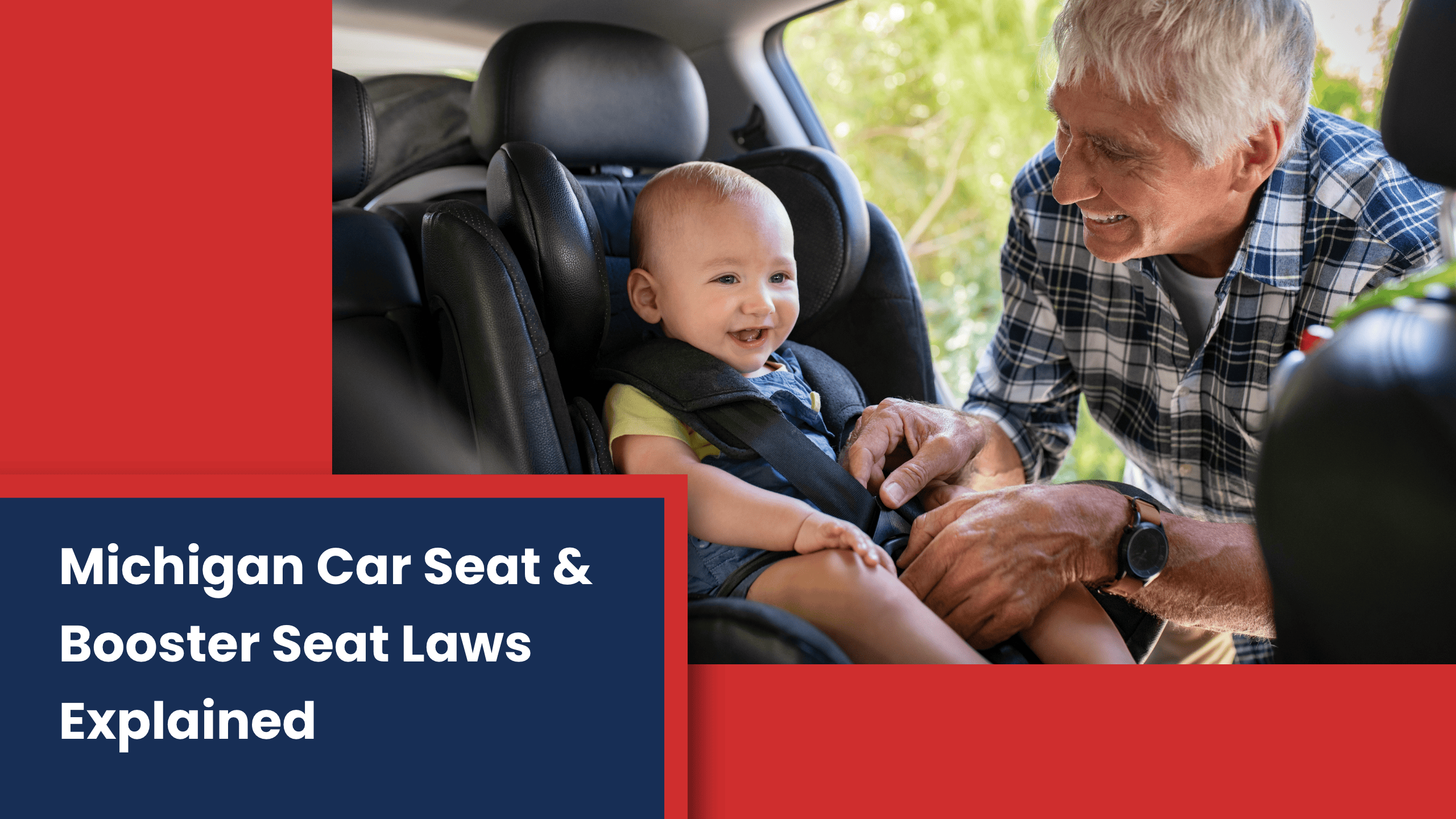
Michigan Car Seat Laws Every Parent Should Know About
Legally Reviewed and Edited by:
Terry L. Cochran
Published on: August 7, 2025
As a parent, you make a critical safety decision every time you buckle your child into their car seat. Understanding Michigan car seat laws isn’t just about avoiding tickets. It’s about protecting your most precious passengers.
We’ve seen firsthand how proper car seat use can mean the difference between minor injuries and tragedy. As parents ourselves at Cochran, Kroll & Associates, P.C., we know how important it is to have clear, practical information about keeping your kids safe on Michigan roads.
Michigan Car Seat Laws Explained
Michigan car seat laws require all children under the age of eight to ride in an approved car seat or booster seat. But the specifics depend on your child’s particular age, weight, and height.
Infant and Rear-Facing Car Seat Requirements
Michigan law mandates that infants and toddlers must ride in rear-facing car seats until they’re at least two years old OR until they exceed the height and weight limits set by the car seat manufacturer.
That being said, the American Academy of Pediatrics recommends rear-facing until age four when possible. Your child’s head, neck, and spine get better protection in a crash when they face backward.
Forward-Facing Car Seats
Once your child outgrows their rear-facing seat, they should use a forward-facing car seat with a harness. Michigan law requires this until they reach the seat’s maximum height or weight limit, typically around 40 to 65 pounds.
Even if a child meets the minimum requirements for a booster seat, a harness provides superior protection. The Michigan State Police recommends checking your car seat’s specific guidelines, as limits vary from one manufacturer to another.
Michigan Booster Seat Law
The Michigan booster seat law states that children must use a booster seat until they’re eight years old or 4 feet, 9 inches tall. Even after age eight, if your child isn’t tall enough for the seat belt to fit properly, they still need to use a booster.
For a seat belt to fit properly, the lap belt has to lie low across the hips, and the shoulder belt has to cross the chest. Most kids need boosters until they’re ten to twelve years old.
Why Car Seat Laws Are Important
Car crashes remain a leading cause of death for children in Michigan. According to the National Highway Traffic Safety Administration, properly installed car seats reduce the risk of death for both infants and toddlers.
Besides physical safety, following these laws protects you legally. If you’re in an accident and your child wasn’t properly restrained, you could face serious consequences that go beyond the initial violation.
Penalties for Violating Car Seat Laws in Michigan
Michigan takes child passenger safety seriously. Violating car seat laws results in a civil infraction with fines.
Multiple violations can lead to higher fines and points on your driving record. If your child gets injured while improperly restrained, you could face child endangerment charges. Insurance companies may also reduce or deny claims related to injuries that proper restraint could have prevented.
What to Do If Your Child Is Injured in a Car Accident
Seek Immediate Medical Care
Even if your child seems okay, get them checked by a doctor right away. Some injuries, like internal bleeding or concussions, can take a while before they show symptoms.
Document everything. Take photos of car seats, vehicles, and any visible injuries. Keep all your medical records and receipts.
Preserve Evidence and Reports
Don’t throw away the car seat. Insurance should cover a replacement after any moderate to severe crash. Plus, the seat might provide important evidence.
Get the police report as soon as it’s available. Write down everything you remember while the details are still fresh in your mind.
Contact a Michigan Car Accident Lawyer
When your child gets hurt in an accident, you need someone who understands both the law and what your family is going through. A car accident attorney can handle the legal complexities so you can focus on your child’s recovery.
How a Car Accident Attorney Can Help Families
Insurance companies often try to minimize payouts, especially when long-term care might be needed. As your Michigan car accident lawyer, we fight to make sure your child gets proper compensation for medical bills, ongoing therapy, and any future care they might need.
We handle negotiations so you don’t have to. If another driver’s negligence caused the accident, we’ll prove it. If a defective car seat failed, we’ll hold the manufacturers accountable. Learn more about how our car accident lawyers in Michigan can help your family.
We consider your child’s future needs, including ongoing therapy, school accommodations, and adaptive equipment as they grow.
Conclusion
Following Michigan’s car seat laws gives your children the best chance of walking away from an accident unharmed. When accidents happen to even the most careful parents, you need experienced advocates who understand what your family is facing.
Check your car seat installation regularly. Kids grow fast, and what worked in the past might not be providing the same protection anymore.
When your child suffers injuries in an accident, you need attorneys who truly understand your situation. At Cochran, Kroll & Associates, P.C., we’re here to support your family through this difficult time. You won’t pay a thing unless we secure compensation for your case.
Don’t wait to get help. Call us at 1-866-MICH-LAW (1-866-642-4529) or contact us online for a free evaluation of your case. We’re available around the clock because we know accidents can happen at any time.
Frequently Asked Questions
What are the current Michigan car seat laws?
Michigan requires all children under eight years old to use an approved car seat or booster seat. Children must ride rear-facing until the age of two, and then in forward-facing seats with harnesses until they outgrow them. After that, they need booster seats until the age of eight or until they’re 4’9″ tall.
At what age can a child switch to a booster seat in Michigan?
Children can switch to a booster seat once they outgrow their forward-facing car seat’s height or weight limits. This typically happens between ages four and seven, but always check your specific seat’s limits. The Michigan booster seat law requires boosters until age 8 or a height of 4’9″.
What happens if you break car seat laws in Michigan?
Violating Michigan car seat laws results in a civil infraction, with fines starting at $65. Repeat violations mean higher fines and possible points on your license. If your improperly restrained child gets injured in an accident, you could face child endangerment charges.
How do Michigan booster seat laws differ from those of other states?
Michigan’s requirement of booster seats until age eight or 4’9″ tall is fairly standard. Some states require boosters until age nine or even twelve. When traveling, always follow whichever law is strictest between Michigan and that of your destination state.
If my child was injured in a crash, do I need a car accident attorney?
Yes, especially if your child suffered serious injuries or will need ongoing medical care. A car accident attorney makes sure insurance companies don’t shortchange your child’s future needs and handles legal complexities while you focus on their recovery.
How can a Michigan car accident lawyer help families after a child injury?
A Michigan car accident lawyer fights for full compensation covering immediate medical bills, future therapy, special equipment, and educational accommodations. We handle insurance negotiations, prove negligence when applicable, and make sure that settlements account for your child’s long-term needs.
Disclaimer : The information provided is general and not for legal
advice. The blogs are not intended to provide legal counsel and no attorney-client relationship
is created nor intended.